


What Trauma Does to Your Body and Mind and Why Somatic Therapy Creates Real Healing
Trauma affects far more than our thoughts—it also impacts the nervous system and the body. In this article, trauma therapist Daniel Gospoderek explores how trauma is stored in the body and explains why Somatic Experiencing therapy can support lasting healing by addressing both the mind and body.

Overlooked Signs of Religious Trauma
Guest Blogger: Jeremy Schumacher
One of the most insidious ways that organized religions are doing regular harm is by teaching people not to trust their bodies. Sex is bad. Pleasure is wrong. Experimenting isn’t learning, but rather a slippery slope. But convincing people not to trust their own bodies, and its innate warning system in the central nervous system, opens those same people to ignoring signs that abuse and harm are happening. Overlay this with a rigid hierarchy or dogmatic teaching about what is right and what is sinful, this inability to check our own internal systems leaves us open to manipulation. You can’t trust yourself, but you can trust this leader, he was appointed by a miraculous sign!

Couples Counseling: A Healing Place for Individual Trauma
“Couples don’t need to be in crisis to benefit from therapy. In fact, some of the most powerful growth happens when love and respect are still present—but something deeper needs attention.”
In this insightful blog post, therapist Dawn Giorno, LCSW, challenges the myth that couples therapy is only for relationships in trouble. She explains how even healthy couples can grow stronger by exploring patterns rooted in attachment wounds, past trauma, or unmet needs. Whether it’s recurring arguments, struggles with intimacy, or communication breakdowns, these moments often reflect something deeper than the surface issue—something that can be healed together.
With a trauma-informed lens and deep compassion, Dawn invites couples into a space where real change can happen. Because when our nervous systems feel safe, seen, and co-regulated by the person we love—it’s not just healing, it’s transformative.

What to Expect in a Somatic EMDR Session
“You don’t have to heal through words alone. Sometimes the body knows what the mind can’t yet say.”
In this thoughtful exploration of Somatic EMDR, therapist Polly Sackett, LPC, SAC, shares how combining traditional EMDR with somatic (body-based) practices creates a powerful path to healing trauma. This approach goes beyond talk therapy by reconnecting individuals to their bodies—helping them process trauma stored not just in the mind, but deep in the nervous system. Grounded in safety, paced by the client, and rooted in compassion, Somatic EMDR invites you to access your own innate wisdom and resilience.
If you’ve felt stuck in traditional therapy, or notice that trauma lives in your body just as much as in your thoughts, this gentle yet transformative approach may be the support you’ve been looking for.

What Your Partner Wished You Knew About Male Mental Health
Ever wonder what differences there are between female and male mental health. Read this blog written by guest blogger Daniel Gospodarek as he explains his expertise working with men in the therapy setting.

From Couples Therapy to Individual Therapy: Why Both Are Sometimes Needed
While couples therapy is invaluable for addressing relationship dynamics, there are times when individual therapy is equally necessary. Personal struggles, past trauma, or mental health challenges can impact how we show up in relationships, and working on these issues independently can foster deeper healing. By combining both types of therapy, individuals can gain self-awareness, build confidence, and improve emotional regulation, which ultimately strengthens the partnership. In this blog, we explore why both couples therapy and individual therapy are sometimes needed for long-term relationship growth and personal well-being.
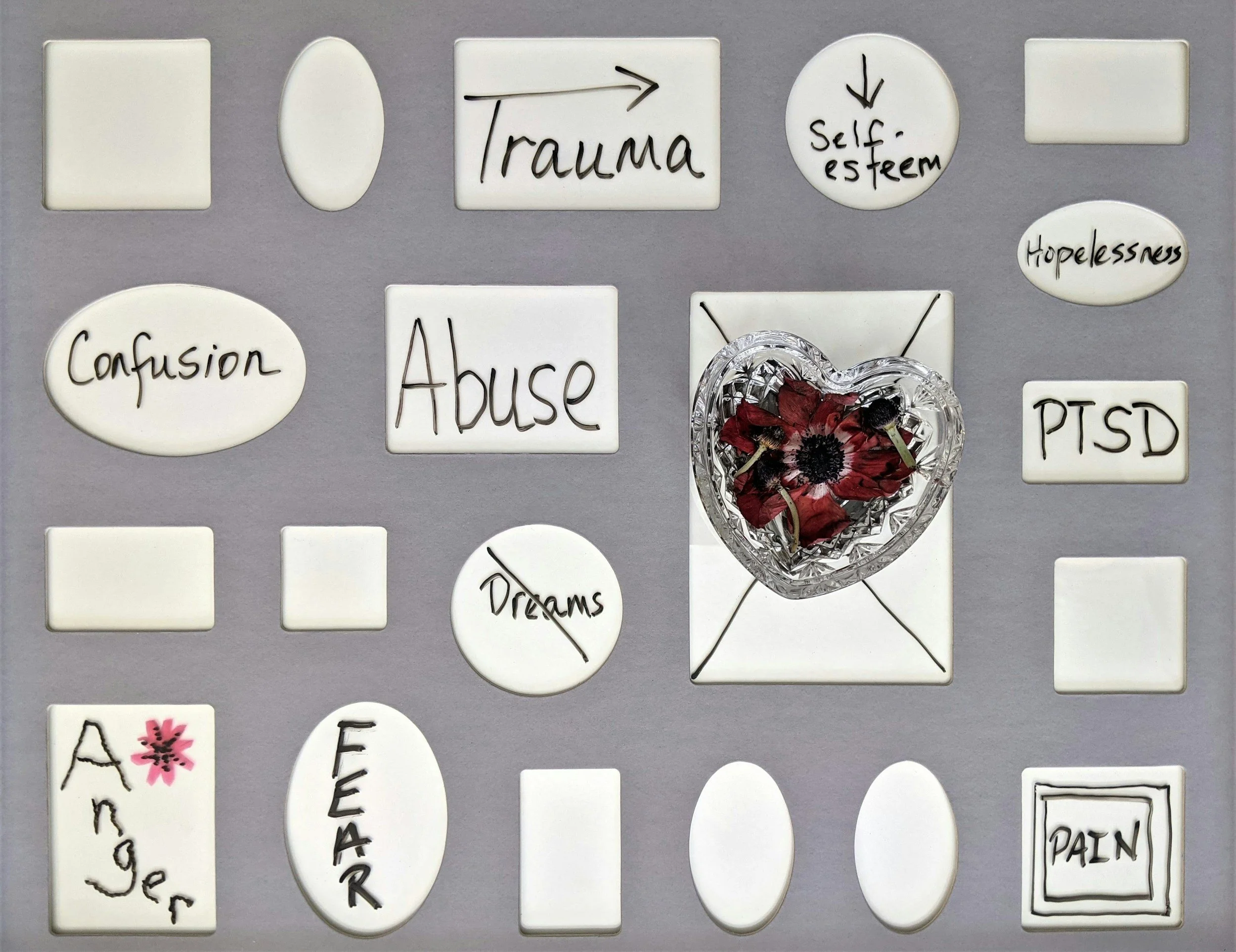
Trauma isn't what you think
The word trauma has a bad reputation. Read about what trauma actually is and how we all have experienced traumatic experiences.

Let's Normalize Grief
Don’t let others pressure you in to feeling you should be “over it” or that you need to move on. Let us reassure you there’s no time table for grief.

Sneaky Stress
As we go about our days, we don’t realize how much stress really impacts us. Check in with how you are doing.

Are you an emotional sponge?
Do you take on other’s emotions without thinking about it? Find ways to help protect yourself from absorbing other people emotions.